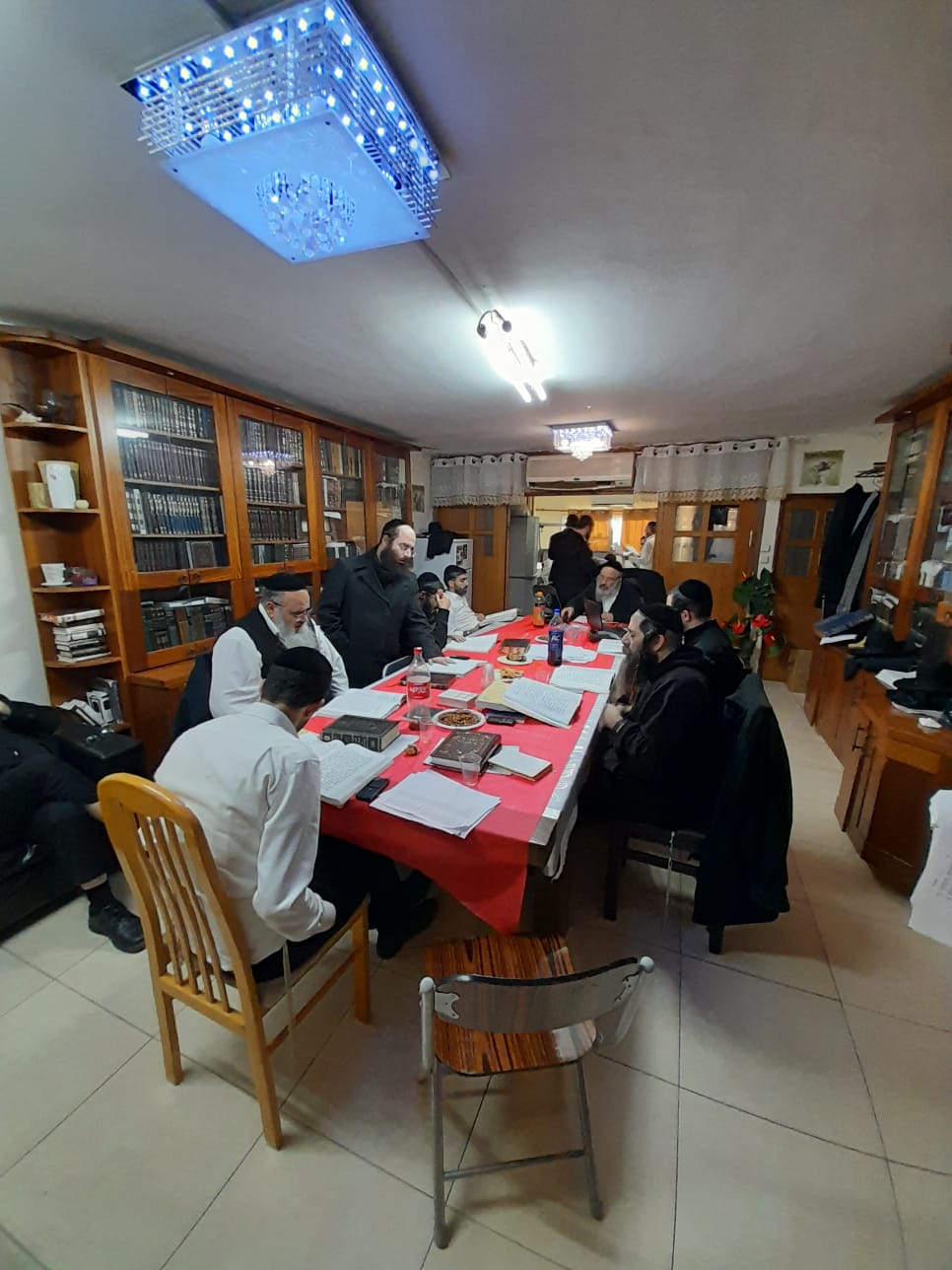
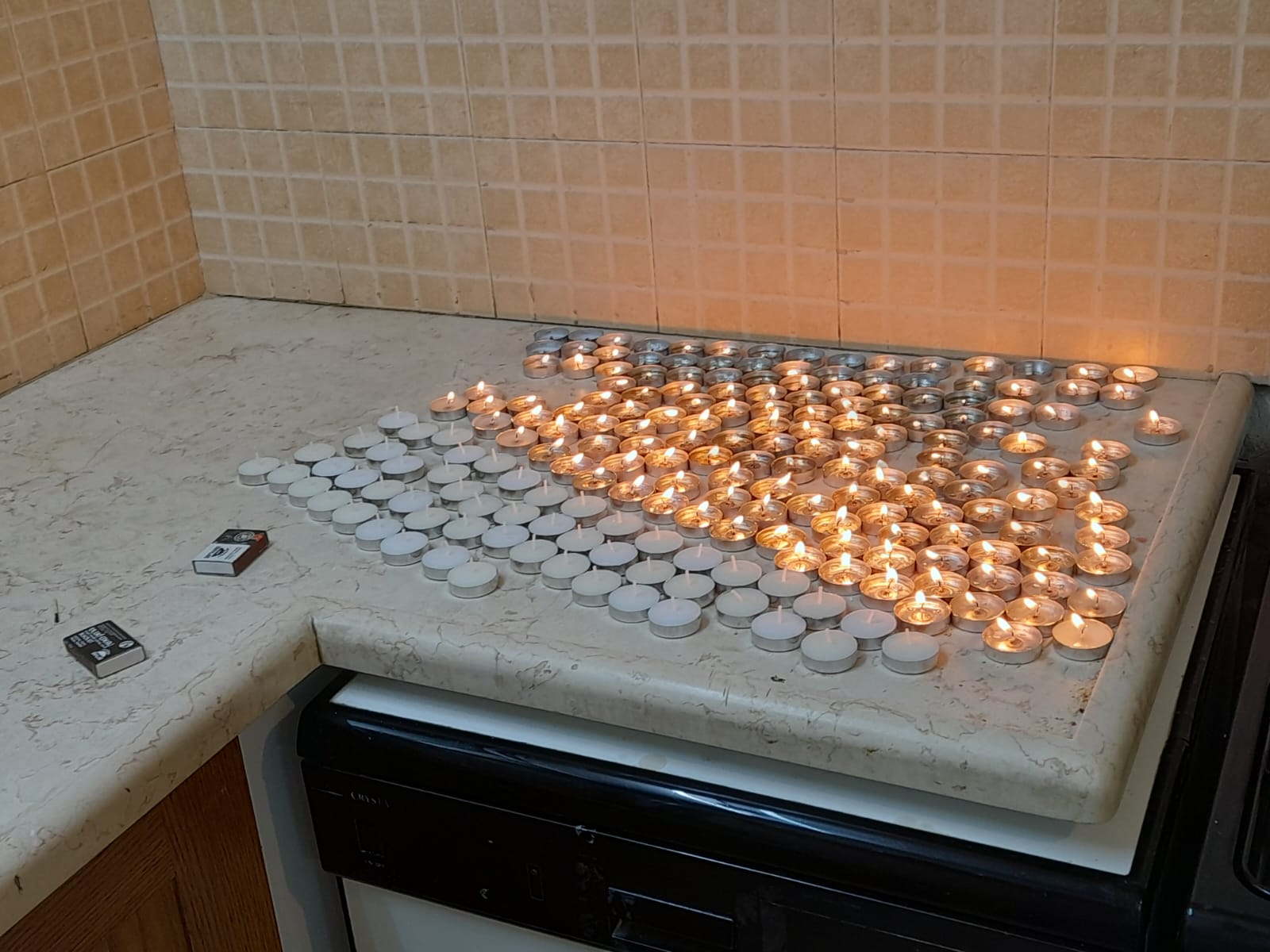
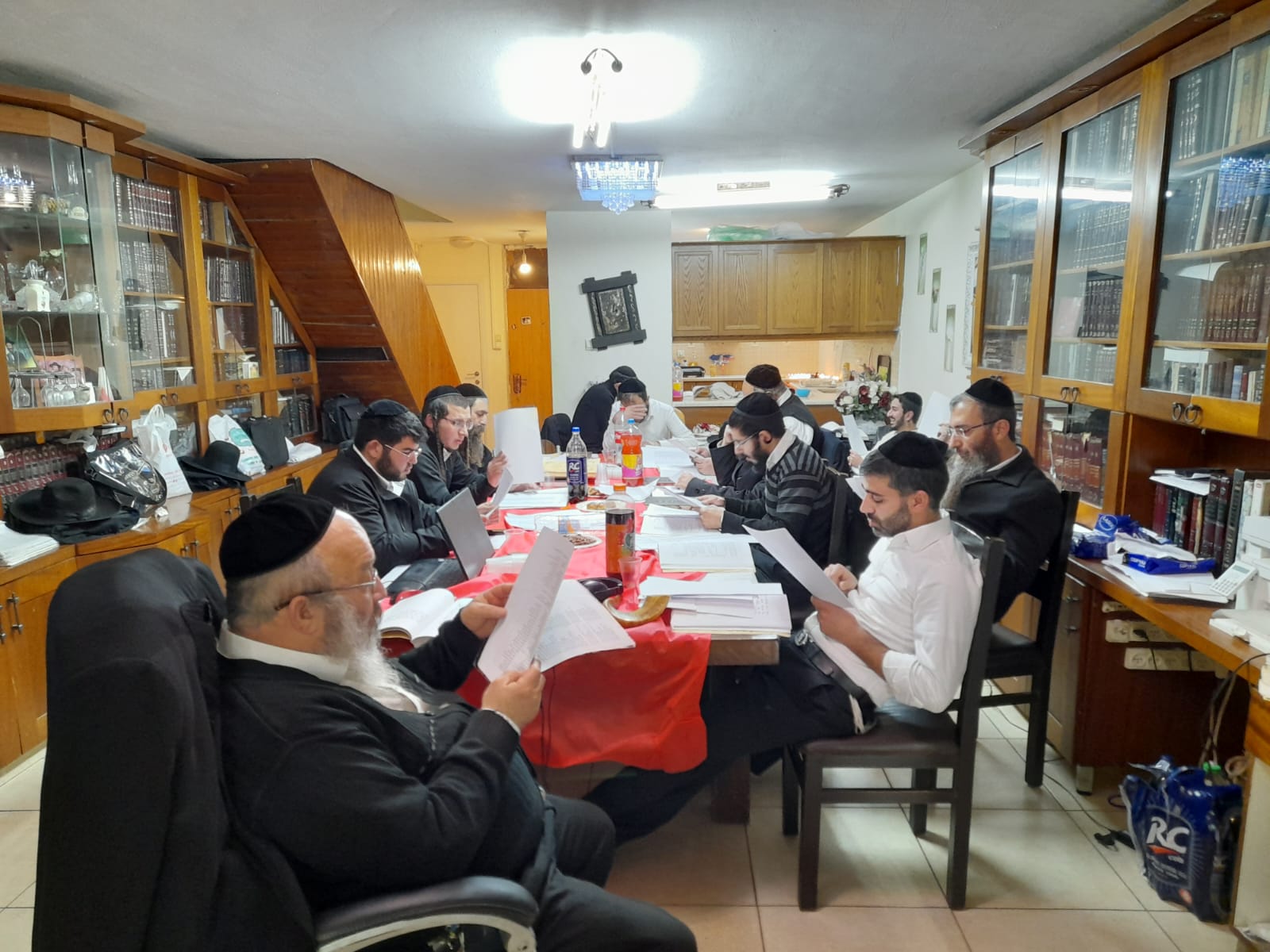
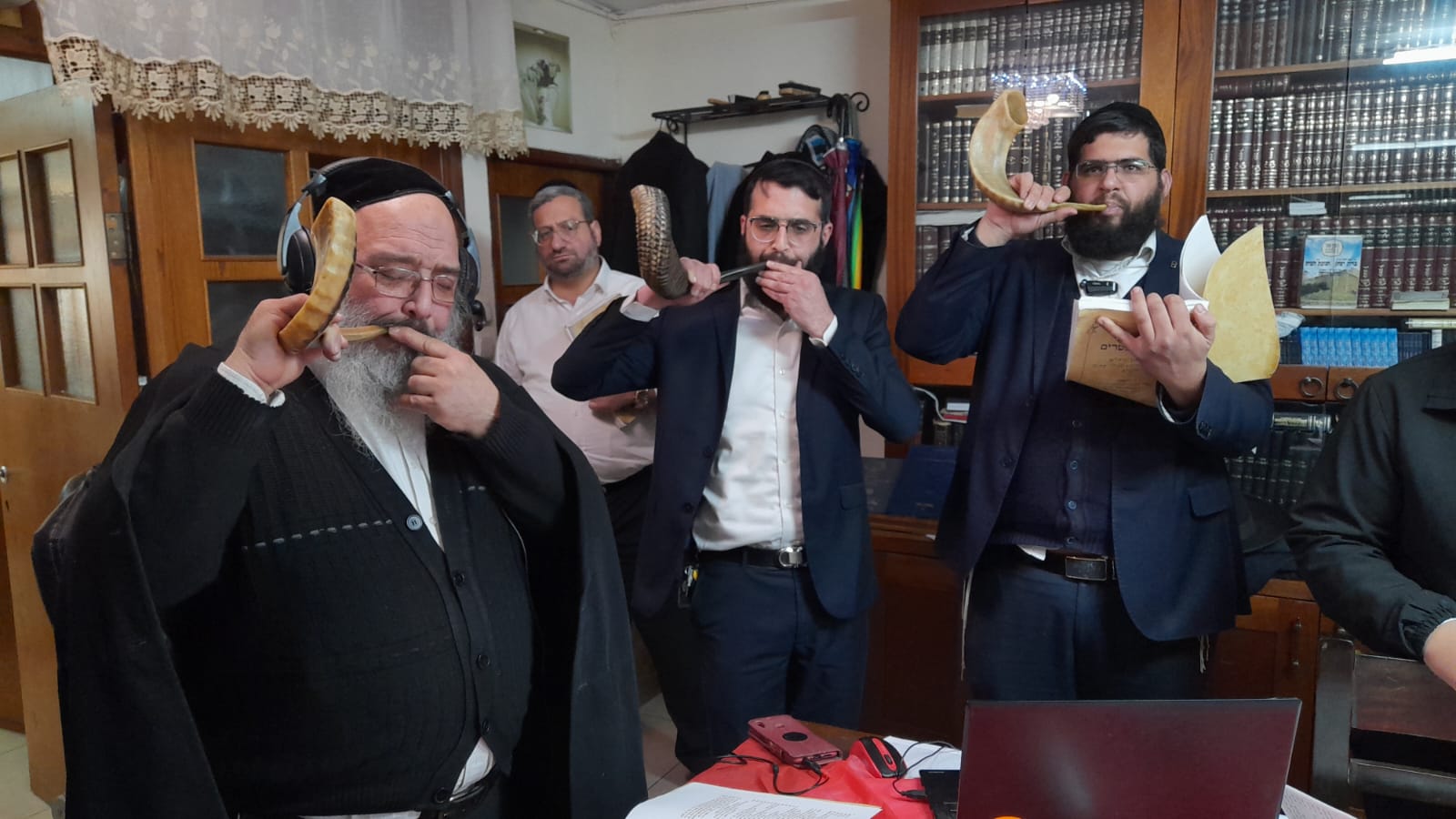
The day after we performed the spiritual rectification, I met a man earlier that morning. He told me that during the night following the rectification, he saw the deceased whose names he had submitted for the rectification, as if he himself were burying them anew.From this, he understood with complete clarity that through the rectification carried out on their names, those souls merited a complete and proper burial, as though until that moment their burial had not been fully completed. This testimony deeply strengthened my faith in the power of the rectification — a power that continues to act even after a person departs this world, bringing completion and true rest to souls through hidden paths of mercy

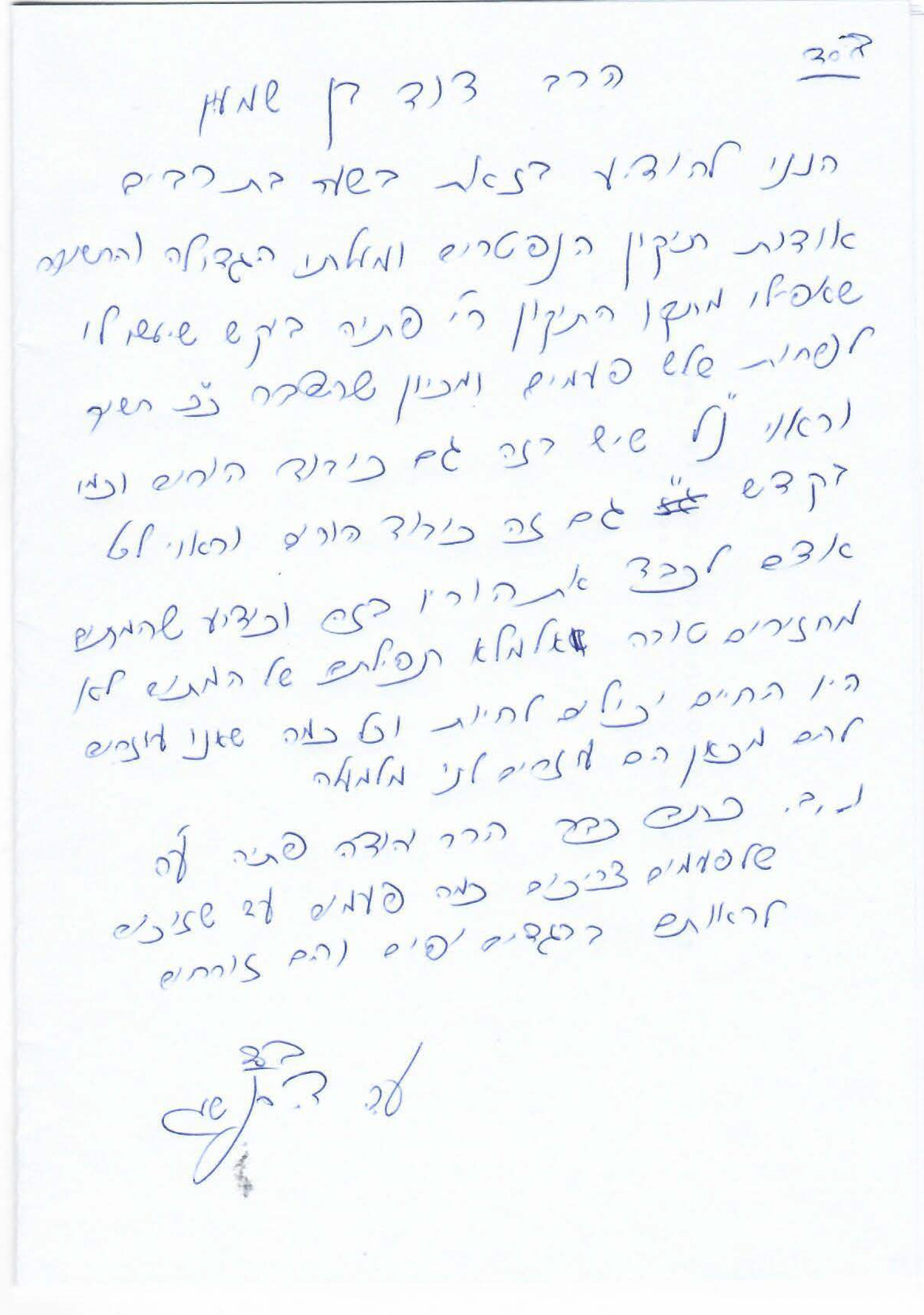
The rabbi who performs the rectification shared a personal testimony about an event that happened to him himself. On one occasion, his wife submitted the name of her grandmother for the rectification. After the rectification was completed, they were shown a special vision in a dream.
In the dream, the grandmother was seen ascending a staircase, step by step, until she reached a closed door. She tried to open it but could not, and she stood there waiting for it to be opened for her. After some time, his wife — her granddaughter — was the one who opened the door for her, and the grandmother entered.
The moment she entered, her face was illuminated with a great light, and her entire presence was radiant and shining, filled with joy and serenity beyond doubt.
The rabbi testified that through this, he understood that the rectification had accomplished its purpose — the gate was opened, and the soul merited to enter its corrected place, in light, mercy, and true rest
Another story from this past week:
Honored Rabbi, thank God that we have a messenger like you who awakens and strengthens us.
Recently, a man who was once a neighbor of my parents came to us especially to share something that moved us deeply. He told us that last night he dreamed of my mother and father, dressed like royalty, their faces radiant and filled with great joy.
It is important to note that previously, we ourselves had dreamed of my parents in a troubling state, which caused us much sorrow and concern. And now, without knowing anything about those dreams, and without knowing anything about the rectification you performed, he came and shared a completely opposite vision—one filled with light.
This testimony touched our hearts profoundly and strengthened our faith that things are indeed taking place in the heavens, and that the rectification bears fruits of light, joy, and comfort for the souls.
Thank you so much, Honored Rabbi. May God bring you joy and grant you strength to continue your holy mission